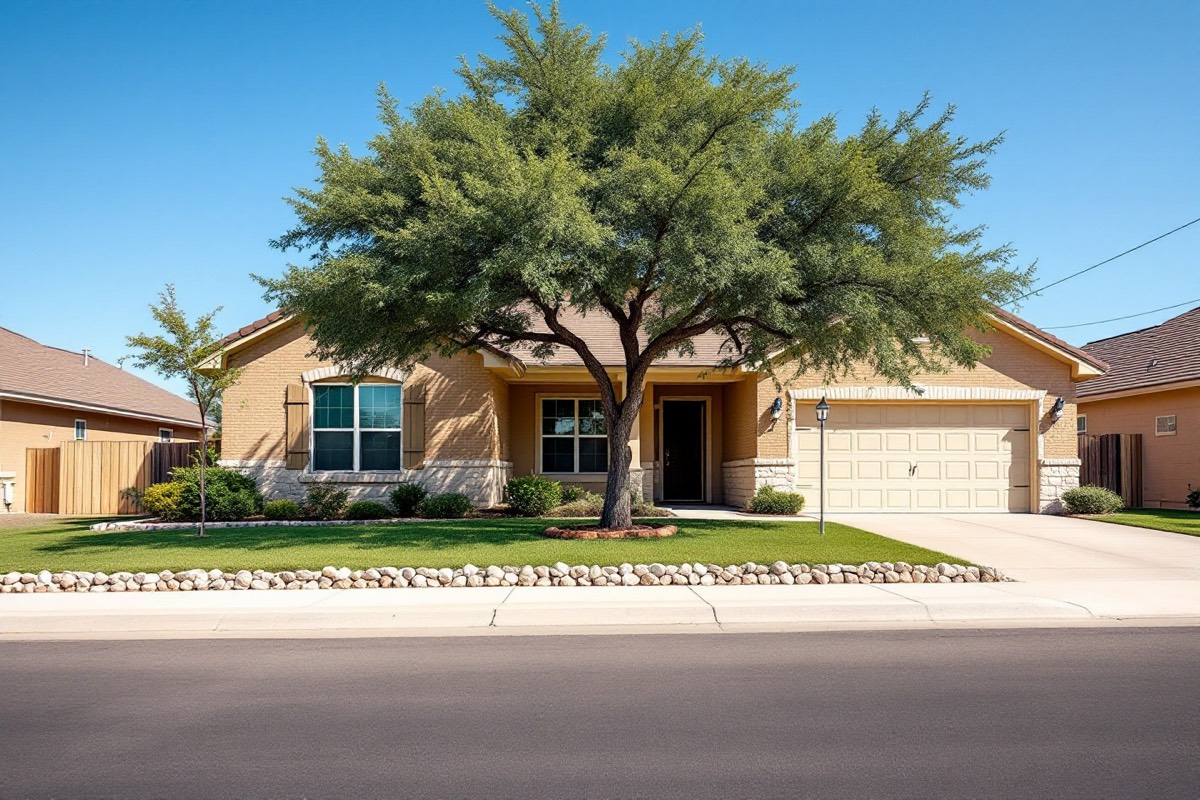


Once you get west of I-35, a lot of homes aren’t on city water and sewer. Dripping Springs, Wimberley, Spicewood, Bulverde, Boerne, Canyon Lake: plenty of the listings run on a private well, a septic system, or both.
That’s fine for buyers who want acreage and quiet. For the file, it means a few more inspections, a few more documents and at least one more lender condition, each with its own timeline. Here’s what we track on well and septic transactions in the Austin and San Antonio Hill Country.
Start with the disclosures
- Seller’s disclosure. The Texas seller’s disclosure asks about the water supply and the sewer system. On a well and septic property those answers matter more than usual, so make sure they’re complete.
- On-site sewer facility information. TREC has an information form sellers use to describe the septic system: type, age, location, maintenance and any problems. If the listing agent hasn’t provided it, ask.
- Seller’s Water Disclosure. The current TREC resale contract (20-19) adds Paragraph 7I: when there’s a water well, pond or tank, or water rights that aren’t simple city or district service, the seller delivers TREC’s disclosure about groundwater and surface water rights. If it’s delivered after the contract is signed, the buyer can terminate within 7 days of receiving it, so get it in hand early.
- Records. Pump-out receipts, permits, maintenance reports and any well drilling or pump records. The more the seller can produce, the easier the buyer’s review.
Septic: know what kind of system it is
Conventional systems are a tank and a drain field. The usual questions are age, last pump-out and whether the field is performing.
Aerobic systems are common in the Hill Country, where soils and lot sizes make a conventional field harder. They have mechanical parts and need regular maintenance, typically under a contract with a licensed maintenance provider. On these files:
- Get the current maintenance contract and recent service reports
- Find out whether the contract transfers or the buyer needs a new one
- Make sure the buyer knows the maintenance is an ongoing cost
Inspections. On-site sewage facilities are regulated by TCEQ and local authorized agents, usually the county, and requirements at sale vary. Many buyers order a septic inspection during the option period, and some lenders require one. We check the local authority’s rules at intake so nobody finds out about a requirement at closing.
Wells: test early
The water well brings two timelines onto the file.
- Water quality. Government-backed loans and many conventional lenders require a water test on a private well. Results take days, and a failed test means treatment and a retest. That can easily run past the option period, so order it immediately.
- Flow and equipment. Some lenders and buyers want a flow or yield test and an inspection of the pump, pressure tank and wellhead.
Also watch for:
- Shared wells. If the well serves more than one property, there should be a shared well agreement. The buyer and lender will want to see it.
- Groundwater districts. Much of the Hill Country is in a groundwater conservation district. Some districts keep well ownership records that should be updated after the sale.
Put it on the calendar
The risk on well and septic files isn’t the inspections. It’s the timing. The option period in a Texas resale contract is short, and water results and septic reports don’t always come back fast. If the buyer is relying on the option period to walk away, everything has to be ordered on day one.
On these files we add to the standard checklist:
- Seller’s disclosure, Seller’s Water Disclosure and septic information form in hand
- Septic type identified; maintenance contract and records requested
- Septic inspection ordered (and local transfer requirements checked)
- Water test ordered; flow test if needed
- Lender conditions for well and septic noted and tracked
- Shared well agreement, if applicable
- Option period end date confirmed against expected results
If your Hill Country listings and buyers keep landing on well and septic, we run that checklist on every file, in Austin and San Antonio and everywhere else in Texas. See also how the option period works in Texas.