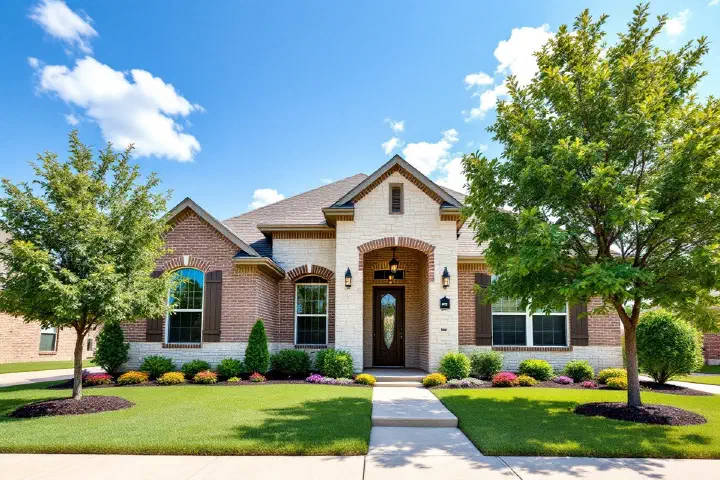
An Under Contract Post Shares the News Without Sharing the Deal
A good under contract post says the home is under contract, names the city or neighborhood, thanks the client if they’ve agreed to be named, and carries your brokerage name. That’s it. No price, no terms, no offer count, nothing about the buyer. Before it goes out, you need your client’s OK, and if it’s not your listing, the listing broker’s OK too. And write it so it still reads fine if the deal falls apart in two weeks, because some of them will.
The rest of this post is caption ideas for both sides of the deal, plus the details that trip agents up.
Table of Contents
▼Why Under Contract Is the Trickiest Milestone to Post
Just Listed and Just Sold are bookends. The facts are settled. Under contract is the middle of the deal, and the middle is where things go sideways.
We run files every day, and we see what happens between the signed contract and the closing table. Inspections turn up surprises. Appraisals come in low. Financing stalls. Buyers get cold feet during the option or due diligence period and walk. None of that is rare. So a post that announces “SOLD in 3 days!” on the day of the contract is a post you may have to quietly delete, and your seller may have to explain to their neighbors.
That doesn’t mean skip it. An under contract post shows your sphere you’re moving houses, and it’s a natural bridge between your Just Listed and Just Sold posts. It just needs more restraint than either one. We cover the whole run of milestones, listing to anniversary, in turning transaction milestones into social media posts. This post zooms in on the one in the middle.
Who Has to Say Yes First
Your seller
Your listing agreement lets you market the property. It doesn’t mean your seller signed up for a public update every time the deal moves. Ask before you post “under contract,” and keep the answer in writing. A text that says “sure, post it” is enough for most brokerages. Ask your broker what yours wants.
Some sellers will say no, and the reasons are usually practical. They haven’t told family yet. They’re worried about the house sitting empty. They don’t want to explain a dead deal to the neighbors. That’s their call.
Your buyer
If you represent the buyer, they didn’t sign up for marketing at all. Posting that they’re under contract, their names, their faces or anything that hints at the address needs their permission. Plenty of buyers are excited and want to share. Others are nervous until closing and would rather you wait. Ask.
The listing broker
This one gets missed. If your buyers are under contract on another agent’s listing, the property isn’t yours to advertise. Putting an “under contract” banner on that listing photo, or posting the address with a pending graphic, is advertising another broker’s listing. That needs the listing broker’s permission under NAR MLS policy, and South Carolina and New York put that requirement in their own rules. The photos also belong to the listing photographer or the listing broker, not you.
The simple fix: post about your buyers’ milestone, not the property. “My buyers are under contract!” with a photo of you, a generic graphic, or a neighborhood shot works fine.
What Never Goes in an Under Contract Post
This list is longer than the Just Sold version, because the deal is still live and the other side is still reading.
- The contract price. The list price is public. The contract price isn’t, and it may never be in a non-disclosure state like Texas.
- The number of offers, “multiple offers,” “over asking” or “bidding war.” That’s negotiation detail. The buyer’s agent on your next listing reads your feed too.
- Any terms. Option fee, earnest money, concessions, repairs, leaseback, the closing date. All of it.
- Anything about the buyer. Name, financing type, where they’re moving from, why they’re buying.
- Anything about the seller’s situation. Where they’re going, when they’re leaving, when the house will be empty.
- Contingency status. “Just waiting on the appraisal!” invites questions you don’t want in the comments.
- “Sold,” “SOLD!” or “done deal.” It isn’t sold until it closes. Save that word for closing day.
- Photos of the contract. No signature pages, no screenshots of your e-sign platform, no “signed!” photo with the paperwork in frame.
You’ll notice “days on market” isn’t on the list. It’s in the MLS and it’s fine to mention. Just know that “under contract in 2 days” next to a photo invites people to guess about price and offers. Use it sparingly.
16 Under Contract Caption Ideas
Each caption assumes the brokerage name goes in the image and at the end of the caption, as your state requires. Our state-by-state rules guide has the details. Notice what these have in common: none of them promise a closing.
Your listing, seller has agreed
- “Under contract in [Neighborhood]. Thank you to my sellers for trusting me with this one. On to the next step.”
- “This one’s under contract. [City] keeps moving. If you’ve been waiting to see what your home could do, let’s talk.”
- “Under contract on [Street name]. Grateful for great sellers and a smooth start. Fingers crossed for a quiet road to the closing table.”
- “Another [City] home under contract this week. Thinking about listing this season? Message me.”
- “Under contract! Thanks to everyone who came to the open house last weekend.”
- “Status update: under contract. The work isn’t done yet, but it’s a good day.”
Buyer side, no address, buyers have agreed
- “My buyers are under contract! Next up: inspections, appraisal and a lot of packing.”
- “We found it. My buyers are under contract on a home in [Neighborhood]. I’ll let them share the details when they’re ready.”
- “Offer accepted for these two. Now the real work starts. Proud of them.”
- “Under contract on their first home. If you’re a first-time buyer wondering how this works, I’m happy to walk you through it.”
- “Three months of Saturdays, and my buyers are under contract. Persistence pays off.”
Behind-the-scenes (no property at all)
- “Two contracts signed this week. Now comes the part nobody posts about: inspections, lenders, title and a lot of calendar reminders.”
- “What actually happens after an offer is accepted? A lot of deadlines. Here’s the short version.” (Then a carousel on the general steps, nothing about a specific deal.)
- “Under contract doesn’t mean done. Here’s why I don’t say ‘sold’ until we close.”
- “A quick thank-you to the lenders, inspectors and title teams I work with. Under contract is where you all earn it.”
Market-flavored
- “Homes are going under contract in [City]. If you want to know what that means for your home, ask me.” (Keep it to what you can source. See how to write a monthly real estate market update post before you put numbers on it.)
Graphics and Formats That Work
The status banner. Your listing photo with a clean “Under Contract” banner and your brokerage footer. Only on your own listing, and only with photo rights that cover it. Most listing photo licenses cover marketing the listing, but read yours.
The quiet carousel. First slide: “Under contract.” Second slide: one favorite photo. Third slide: “Thinking about selling in [City]? Let’s talk.” with your brokerage name.
The face post. A photo of you giving a thumbs-up outside the property, or holding a phone with a text from your client that says “We got it!” (with the client’s permission, and with names and numbers blurred out).
Stories. Under contract works well as a Story because it disappears in a day. That’s handy for a status that might change. Your brokerage name still goes on it.
Video. A 10-second clip of you swapping the sign rider, if your brokerage uses an “under contract” or “pending” rider. Make sure the rider matches the MLS status.
When the Deal Falls Through
Plan for this before you post, not after.
If the contract terminates, the post needs to come down or be updated. Leaving “under contract” up on a home that’s back on the market is misleading to anyone who reads it, and it’s awkward for your seller.
A few habits make this painless:
- Keep the wording modest. “Under contract” and “next step” age better than “sold” and “done.”
- Keep the buyer side address-free. If your buyers’ deal dies, a post that never named the property doesn’t need cleanup.
- Know where you posted. Feed, Stories, Facebook, Instagram, your Google Business Profile. Each one needs updating.
- Ask your seller before you post “back on market.” Some want the news out fast to get showings going. Others would rather it quietly reappear in the MLS. Either way, never post why it fell through. “The buyer’s financing failed” or “the inspection scared them off” is information your seller may not want public, and it gives the next buyer’s agent leverage.
Under Contract Posts and Fair Housing
The Fair Housing Act (42 USC 3604(c)) applies to every ad, and a social post is an ad. Under contract posts are low-risk here because you’re not describing the home to attract a buyer anymore. Still, skip lines like “this young family is going to love it” or anything that describes the buyers by family status, religion, national origin or any other protected class. Congratulate people. Don’t characterize them. Our Fair Housing on social media guide has more examples.
Where Freedom Fits
Under contract posts are yours to make, because you know whether your seller wants it public, whether the buyers are comfortable and whether the deal feels solid. Where we help is the rest of your feed: our social media plans build a calendar of posts you approve ahead of time, and Just Listed and Just Sold posts are available as an add-on. Our TC and listing coordination clients get one on the house. For the full picture, see our guide to social media for real estate agents.
Under contract is a promise, not a result. Post it like one, and you’ll never have to delete it.
The Closing Table — Monthly Tips from the Contract-to-Close Experts
One email per month. No spam. Unsubscribe anytime.