
The Short Version
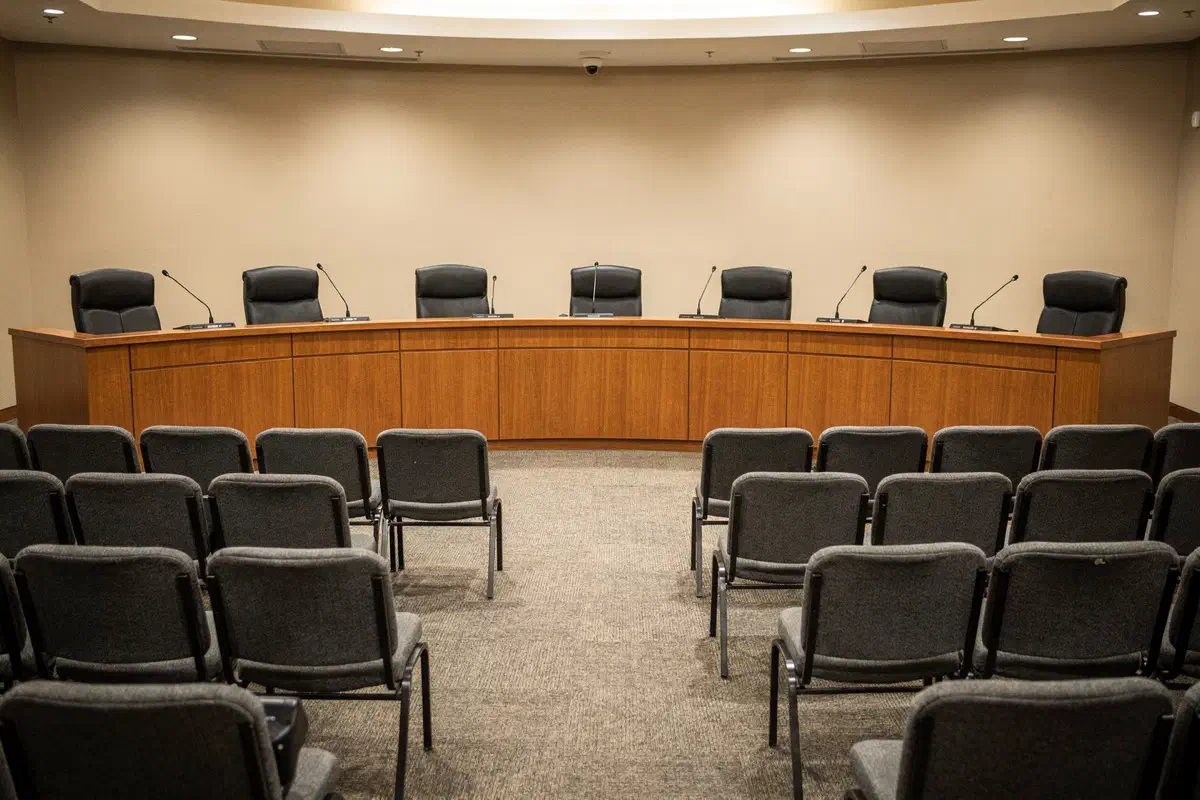
TREC’s Broker Responsibility Advisory Committee (BRAC) met on October 7, 2026, and transaction coordinators were on the agenda for the fourth meeting in a row. TREC posted its written recap on October 13. Two things came out of it:
- A possible TC disclosure. The committee talked about whether consumers should be told when a transaction coordinator or other support person is working on a deal, possibly through a one-page disclosure modeled on the IABS. That item was tabled to January 13, 2027.
- A recommendation for the broker’s manual. The committee recommended that the Commission consider adding transaction coordinator and unlicensed assistant use to the rule that sets the minimum requirements for a broker’s written policies and procedures, including whether that use is permitted and compensation issues.
Nothing has changed in the rules yet. This is a committee discussion and a recommendation, not a new requirement. The meeting video and minutes weren’t posted as of October 21; we’ll update this page when they are.
It’s a summary of what TREC published, not legal advice. Questions about your own brokerage’s policies go to a Texas real estate attorney.
What BRAC Is
BRAC is an advisory committee to the Texas Real Estate Commission. It talks through broker issues and sends recommendations to the Commission. It doesn’t write rules. If the Commission picks up a recommendation, a rule change still has to be proposed, published for public comment, and adopted before it takes effect.
So a recommendation from BRAC is an early signal. It’s worth paying attention to because it shows where TREC is looking.
What Happened on October 7
The disclosure idea. According to TREC’s recap, the committee’s goal was to improve transparency when transaction coordinators are used. It discussed a one-page disclosure, modeled on the Information About Brokerage Services form, that would show whether a transaction coordinator or assistant is working on the file and explain that person’s role. That part was tabled to the next meeting.
The meeting packet for this item was a California example: the California Association of REALTORS® consumer advisory about transaction coordinators. TREC posts the packet on its meeting page. It’s a model the committee looked at, not a Texas form.
The broker policy recommendation. The recap notes that brokers may not always know whether their agents are using unlicensed assistants, or who is working on a transaction. The committee’s answer was to recommend that TREC consider adding transaction coordinator and assistant use to the broker policies and procedures rule: whether it’s allowed, and how compensation works.
How It Got Here
Transaction coordinators have been on BRAC’s agenda all year:
- January 2026. The committee took up the growing use of TCs.
- April 8, 2026. According to TREC’s recap, public commenters raised the growing use of TCs, noted that TCs often handle contracts, financial data and clients’ personal details, and said some TCs work across multiple brokerages. BRAC asked the Broker-Lawyer Committee to look into a possible consumer disclosure form about TCs.
- July 14, 2026. The committee continued the discussion on transparency for consumers and tabled it to October.
- October 7, 2026. The disclosure idea was tabled again, and the policies and procedures recommendation went to the Commission.
What the Broker’s Manual Already Has to Cover
Texas brokers who sponsor agents already have to keep written policies and procedures under TREC’s broker responsibility rule, 22 TAC §535.2. Today those policies have to make sure, among other things, that:
- each agent knows the scope of their authorized activities and is competent to do them
- each agent keeps their license active while practicing
- all compensation is paid by, through, or with the written consent of the sponsoring broker
- agents get timely notice of changes to the law, rules and promulgated contract forms
- advertising, trust account and record-keeping rules are followed
TCs and assistants aren’t on that list. If the recommendation goes forward, they would be, and the compensation line is the natural link: who pays the TC, and whether that runs through the broker.
What It Looks Like on a Freedom File
We’re a TC company that works for agents and brokerages, so we read this closely. The concerns in TREC’s recaps, who’s working on the file and whether the broker knows, are ones we already answer in how we work:
- The agent is copied on everything. That includes every email with title. Nothing on the file happens out of the agent’s sight.
- One owner per file. Each file has a single point of contact, with an assistant already on the file who knows it as well as they do. The agent always knows who that is.
- Administrative work only. We track deadlines, check documents for completeness, and keep the file and the broker’s back office current. Forms are filled out only at the agent’s specific written direction. The broker or office manager approves files and signs off; we don’t supervise agents.
- We never touch money. Earnest money, option fees and commissions stay between the parties, title and the brokerage.
If TREC adopts a disclosure form or a policy requirement, we’ll update our onboarding and this page to match.
What We’re Watching
- The October 7 video and minutes. TREC posts BRAC recordings to its YouTube channel and links them from the meeting page.
- The Broker-Lawyer Committee. It was asked in April to look into a TC disclosure form.
- The Commission. Whether it takes up the policies and procedures recommendation. TREC’s next Commission meeting is November 9, 2026.
- BRAC on January 13, 2027, when the disclosure item comes back.
Brokers: the free Texas Broker Compliance Checklist covers the brokerage-wide requirements, written policies and procedures included, alongside the per-file review. For how outside TCs fit a brokerage, see transaction coordinator services for brokers and how to choose a transaction coordinator.